On a joint mission to the interior regions, the Djiboutian Agency for Social Development (ADDS) and the International Organization for Migration (IOM), supported by the European Union, conducted participatory consultations in the five interior regions. From Dikhil to Obock, including the regions of Arta and Tadjourah, communities, following a series of consultations at each stage, validated Community Action Plans (CAPs) targeting their respective priorities to better address the consequences of migration.
Following an initial visit to Ali Sabieh in early November, the joint delegation from the Djiboutian Agency for Social Development (ADDS) and the International Organization for Migration (IOM) held a series of meetings to validate the Community Action Plans (CAPs) in the interior regions.
Received with great fanfare by the presidents of the regional councils and the prefects, the teams held friendly and constructive roundtables with local residents, authorities, and financial partners, including the European Union delegation.
In Dikhil, residents of the TP and Gami neighborhoods and the Yoboki sub-prefecture presented and approved their priorities. The PAC (Action Plan for the Development of Dikhil), the result of four days of participatory consultations, focused on access to water, basic infrastructure, and climate change adaptation measures in Dikhil. The Director General of ADDS (Agency for the Development of Social and Solidarity Economy) emphasized the need for concrete and immediate action: “We need immediate and tangible interventions, not office meetings.” This message resonated with the local authorities, who were determined to quickly translate the priorities into concrete actions on the ground.
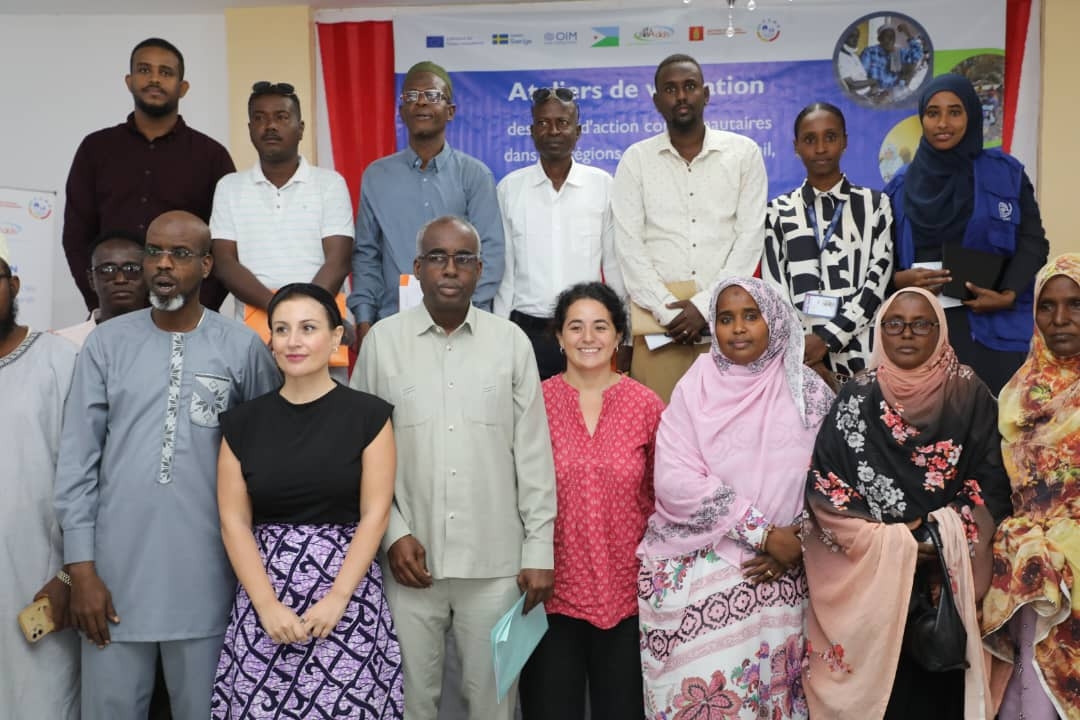
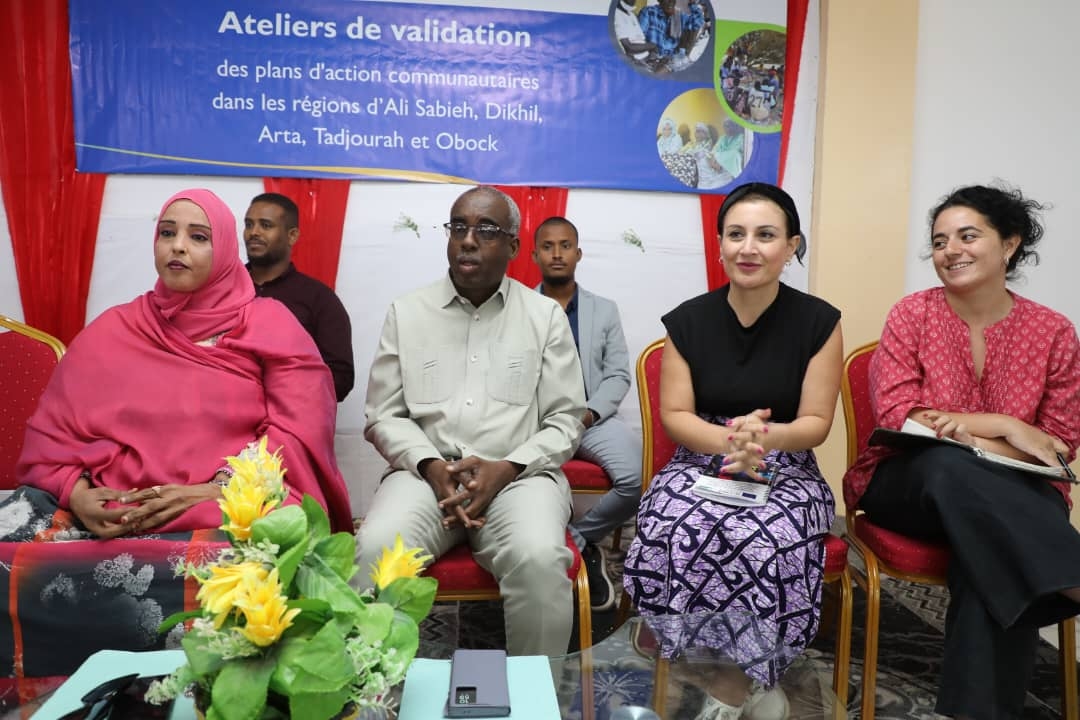
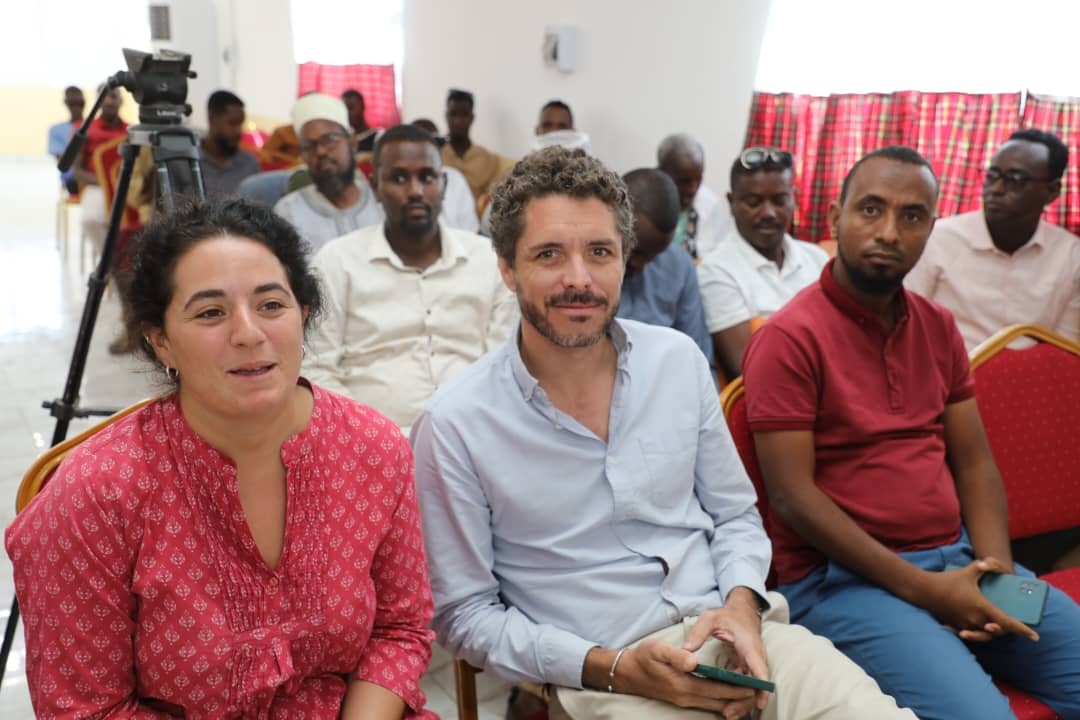
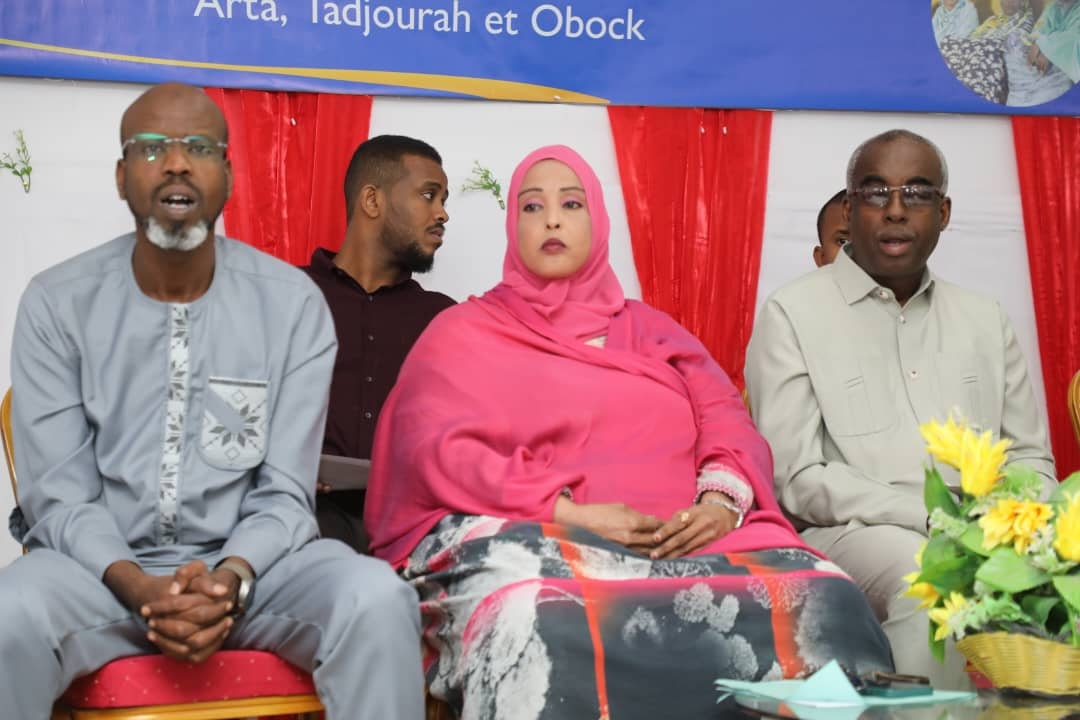
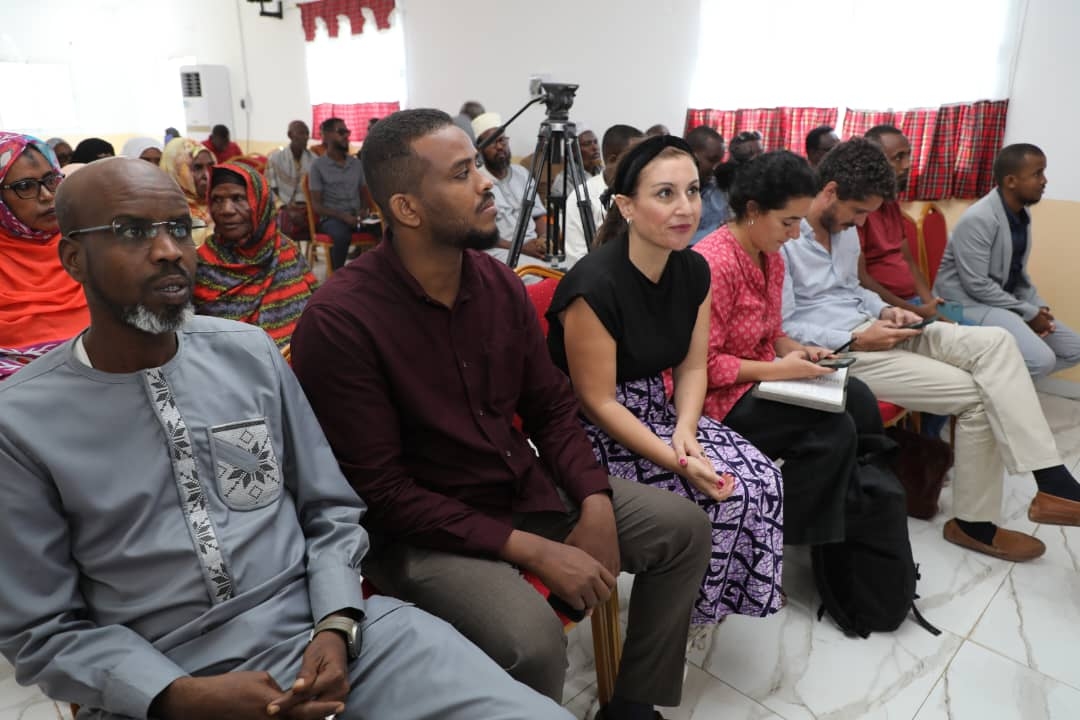
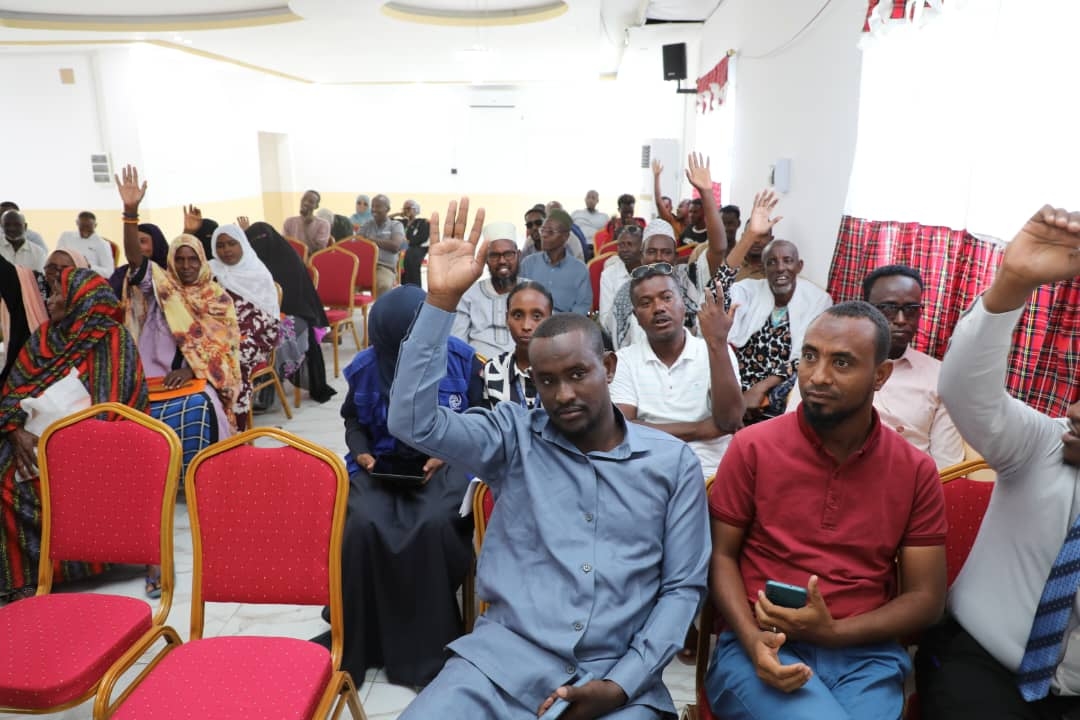
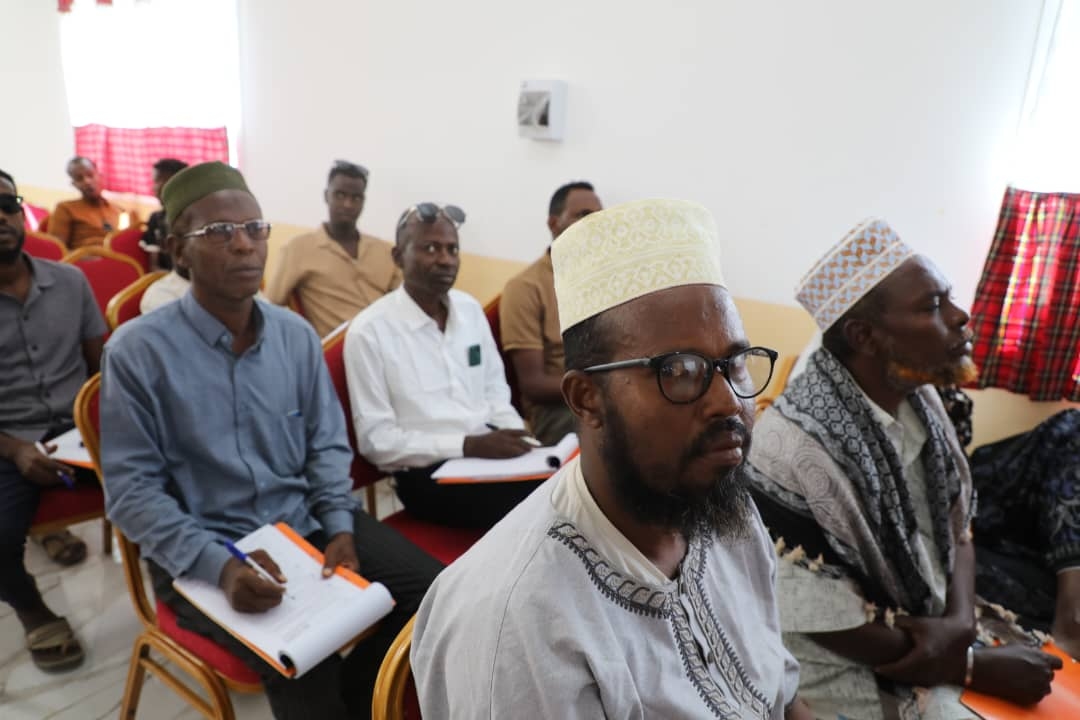
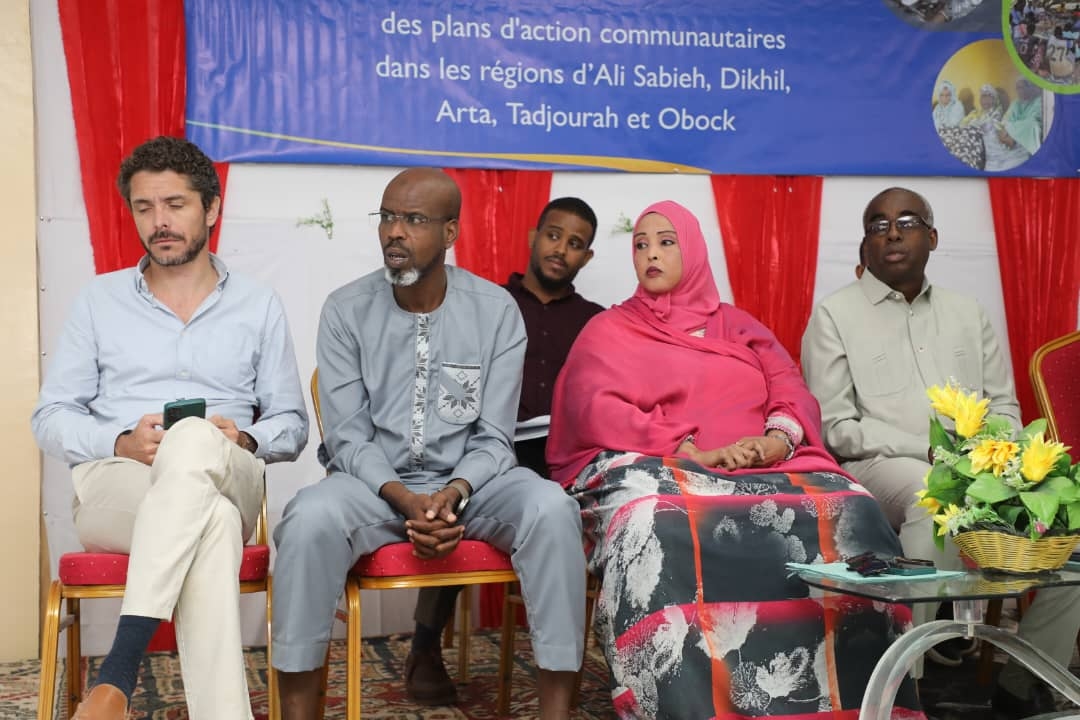
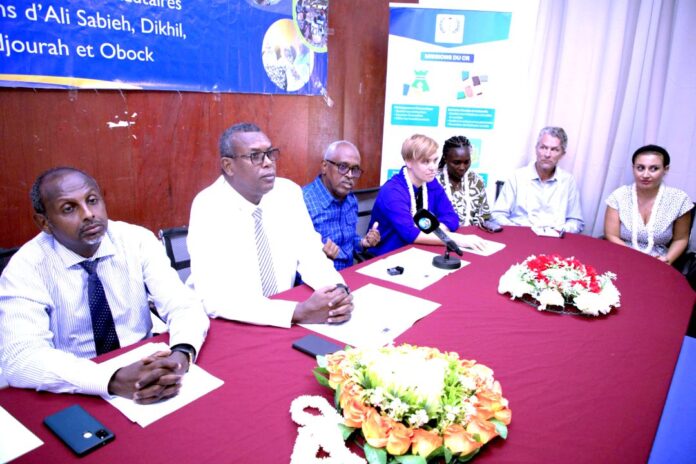
In the Arta region, the PAC focused on citizen participation and access to essential services. In Tadjourah, residents of the “White City” and the Sagalou locality approved a comprehensive plan of priority actions addressing climate change adaptation, water security, and the strengthening of local socio-economic infrastructure.
The tour concluded last week in Obock, where a large international delegation—including the representative of the IOM Regional Office in Nairobi, representatives from the Embassy of Sweden in Addis Ababa and the Swedish International Development Cooperation Agency (SIDA), as well as the representative of the European Union and the IOM representative in Djibouti—attended the validation of the PAC. The prefect, the president of the regional council, the director of the ADDS’s “social development” department, Galab Hassan Galab, and representatives of sectoral institutions assisted local communities in validating a document outlining the priorities identified beforehand.
It should be noted that these validated Local Action Plans (PACs), in the five inland regions, constitute roadmaps for local development in response to the direct and indirect effects of migration flows on host communities.