Born from the merger of ADETIP (Djiboutian Agency for the Execution of Public Works) and the Social Development Fund (FSD) at the end of 2007, the Djiboutian Agency for Social Development (ADDS) has since worked tirelessly to reduce inequalities, empower women and youth, and above all, improve the living conditions of the most vulnerable populations, both in urban areas and in the most remote rural zones of the capital. A key player in the field of social development, particularly in the fight against poverty, the institution boasts a portfolio of numerous successful and impactful projects across the country. Thanks to substantial national and international funding, ADDS is now at the heart of the country’s social transformation. Report on this institution, under the supervision of the Ministry of Social Affairs and Solidarity (MASS), which has managed to gain the trust of its economic and institutional partners to implement the ”National Initiative for Social Development (INDS)” and in particular the Djibouti 2035 Vision of President Ismaïl Omar Guelleh.
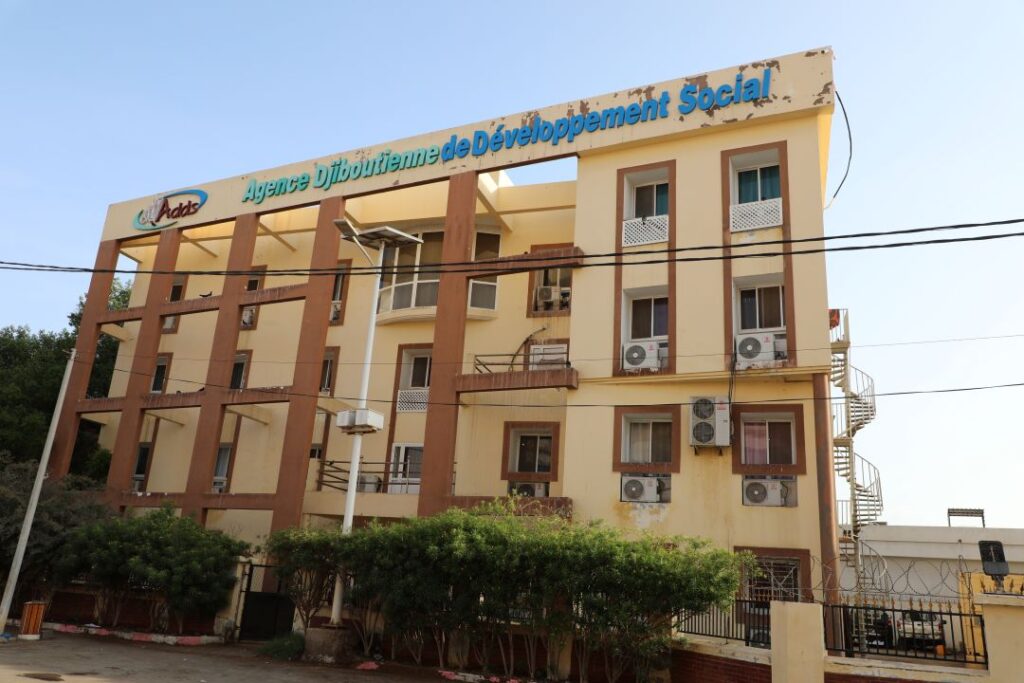
It is eight o’clock in the morning on this beautiful October day. At the ADDS headquarters, located on the Plateau du Serpent in the Ras-Dika district, the activities of the various departments begin in an atmosphere of rigor, discipline, and responsibility. These are the core values of ADDS, which have also earned it the trust of its partners and enabled it to mobilize nearly US$300 million since its creation in 2007.
A colossal fund has enabled financing in several vital sectors of community development, ranging from opening up isolated neighborhoods and improving living conditions to supporting refugees, developing basic social infrastructure and facilities (health, education, access to drinking water and energy), preserving the environment and public health, community development and capacity building for civil society, out-of-school youth and participating government agencies, developing youth and women’s entrepreneurship through Affinity Support Groups and microfinance, expanding access to renewable energy through the installation of solar power plants, social protection, support for decentralization, and much more. The achievements are equally colossal.
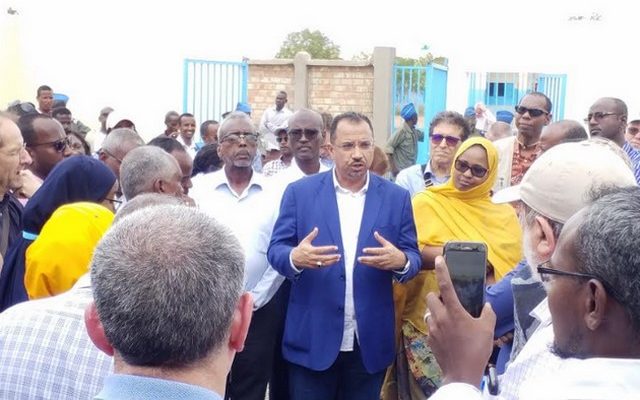
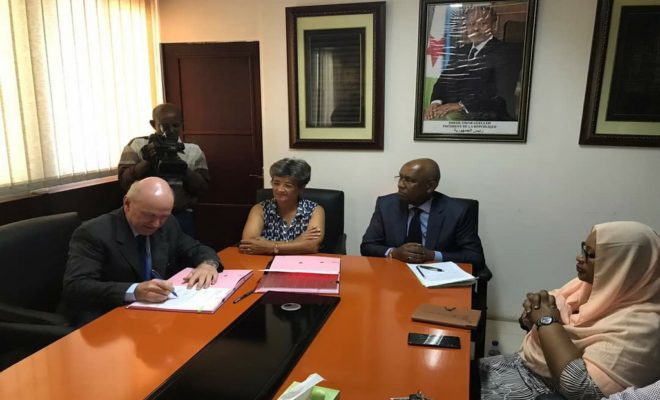
One of the key drivers of ADDS’s success lies in its intervention strategy based on proximity, participation, and partnership. By involving the beneficiaries of development projects in the decision-making process, the agency has enabled its staff to better understand local realities and create synergies between institutions, local authorities, NGOs, and national and international partners.
More than 200 sub-projects, affecting thousands of young people and women across the entire national territory, have thus been launched.
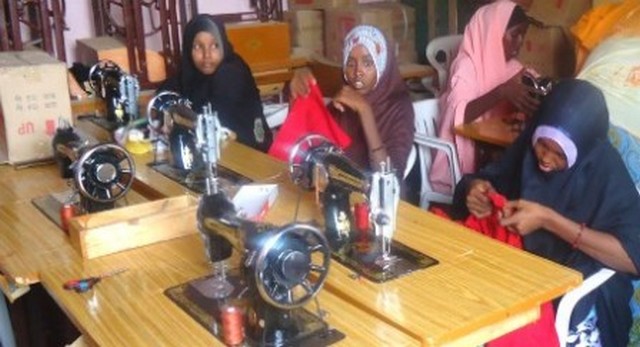
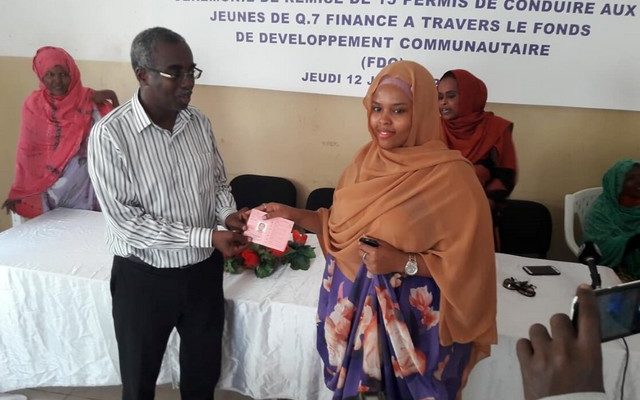
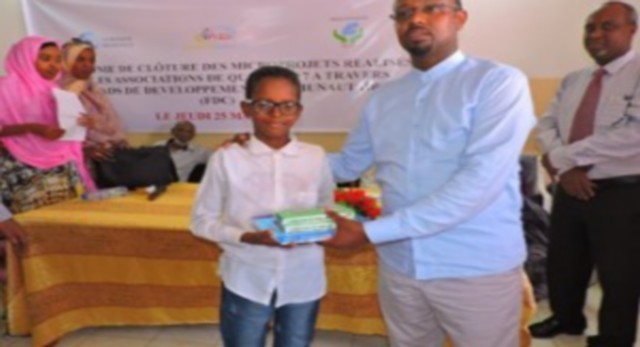
Promoting social and community entrepreneurship is one of the agency’s flagship projects. Through the Community Development Fund (CDF), it finances micro-projects proposed by local associations or community groups.
These initiatives, designed by the beneficiaries themselves, promote, according to senior ADDS officials, a lasting sense of ownership of the development project. The program aims to reduce unemployment, but also to strengthen social cohesion and create a dynamic local economic fabric based on solidarity and shared responsibility.
And that’s not all. Since last year, the agency has embraced an innovative approach called “Community-Driven Development” (CDD), which is based on the principle that local populations identify their needs and find solutions adapted to their reality. Thus, beneficiaries actively participate in all stages of projects, from planning to implementation, including monitoring and evaluation.
This participatory approach has already yielded, according to agency officials, “remarkable results in several rural areas.” Furthermore, it has not only enabled the establishment of more inclusive local governance and strengthened the sense of belonging, but it has also, according to the same source, sustainably improved the living conditions of the beneficiaries.
Large-scale activities to reduce urban poverty
Several major structural projects currently underway illustrate the diversity and scope of its interventions.
In response to the government’s “Zero Slums” program, ADDS is implementing PDUI 2 (Integrated Urban Development Program 2) in the Moustiquaire and Layabley neighborhoods of the Balbala municipality. Funded by the French Development Agency (AFD) to the tune of €24 million, this program, currently in its third phase of funding, aims to reduce urban poverty while improving the safety, sanitation, and functionality of public spaces. It has already helped to open up several neighborhoods, improve roads, and offer residents a more dignified and healthier living environment.
Another major project, the Technical Landfill Center (CET) for household waste treatment, jointly financed by the AFD and the European Union to the tune of €16 million, represents a significant step forward in environmental management. Designed according to international standards, this center will contribute to improving public health and reducing greenhouse gas emissions, while strengthening sustainable waste management in the capital.
Finally, the Integrated Community Resilience Project (ICRP), totaling $31 million, of which $15 million is implemented by ADDS, specifically targets vulnerable communities and refugees. Funded by the World Bank, it aims to improve access to basic services, strengthen social safety nets, and create economic opportunities for disadvantaged households. The project aligns perfectly with ADDS’s social mission, which combines humanity, inclusion, and sustainable development.
Far from resting on its laurels, ADDS is looking to the future with an ambitious and coherent vision. It intends to consolidate existing infrastructure, strengthen the economic resilience of populations in the face of climate and economic shocks, and promote greater equity by intensifying its actions in the interior regions.
With a view to building a sustainable, inclusive and resilient development model in the face of crises, ADDS, according to a concept that places each citizen at the heart of building a common future, remains fully committed to the implementation of the INDS and in particular to the Djibouti 2035 Vision of the President of the Republic, His Excellency Mr. Ismail Omar Guelleh.