The President of the Republic, Mr. Ismaïl Omar Guelleh, reaffirmed this Thursday that the fight against poverty and precariousness remained a central focus of public action, during the launch of the National Solidarity Week, at the People’s Palace.
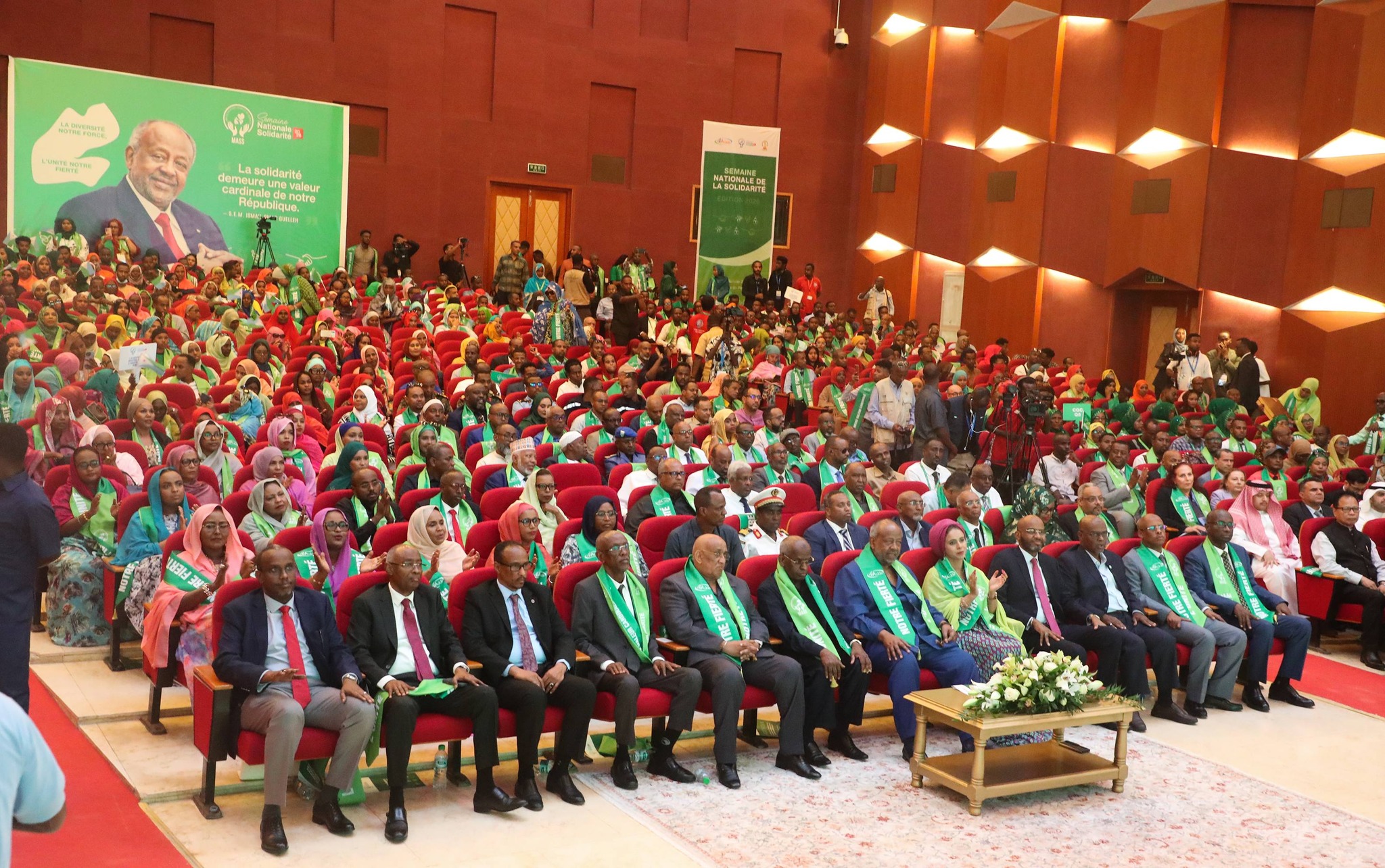
“For the government, the fight against poverty and precariousness is an absolute priority,” declared the Head of State, emphasizing the inseparable link between social welfare and economic development. “Our country does not want growth that does not fuel the fight against precariousness and poverty,” he added, stressing that “there can be no sustainable growth without social justice, nor shared prosperity without inclusion.”
In a speech focused on achievements and future prospects, President Guelleh highlighted several solidarity mechanisms, notably citing “the essential role of rural savings and credit unions” in economic integration and “the empowerment of women.”
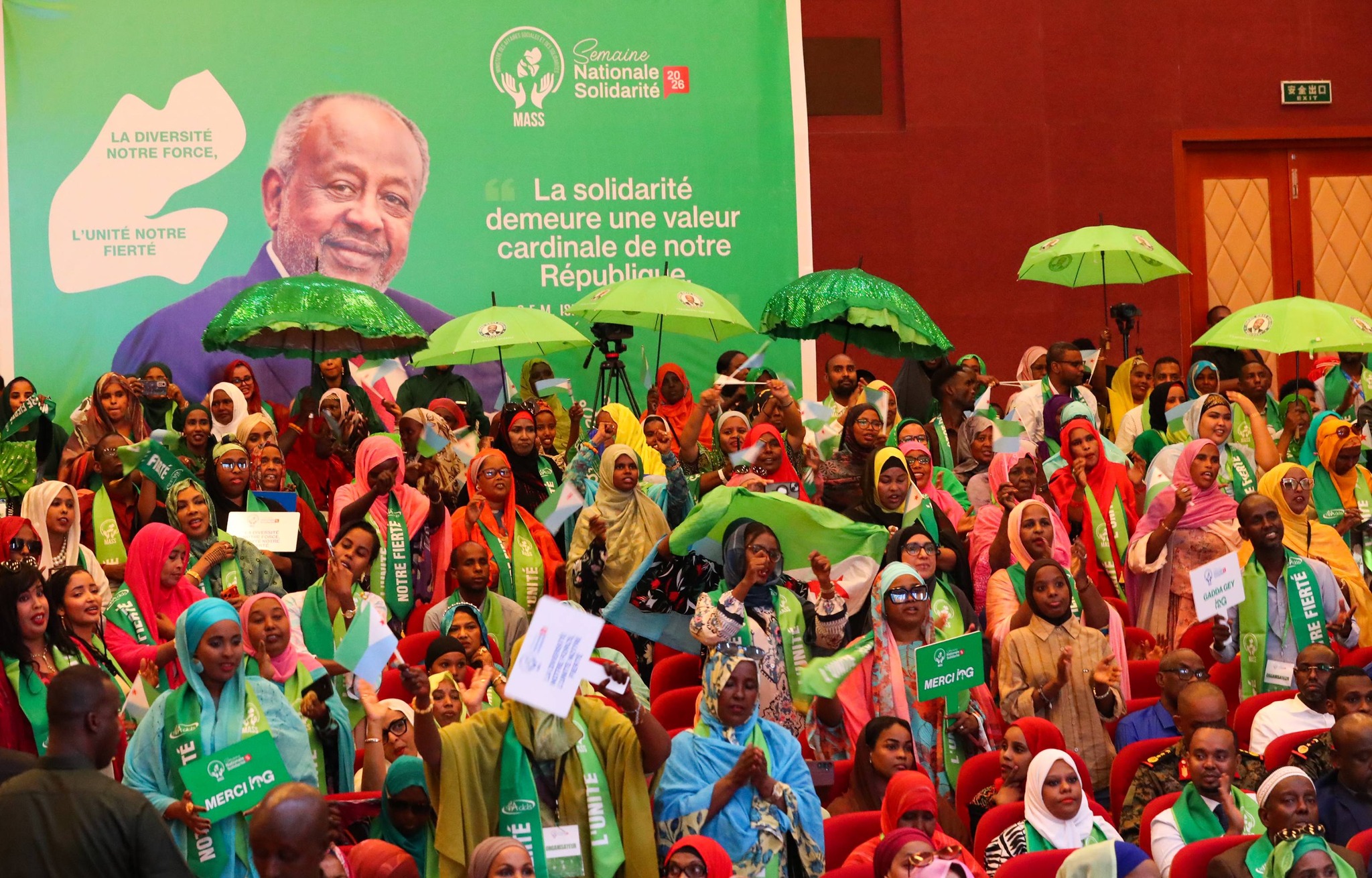
He also mentioned social safety nets, health assistance programs, and mechanisms for protecting the most vulnerable, presented as proven tools.
The Head of State commended the work of the Ministry of Social Affairs and Solidarity, which created a “true map of poverty and precariousness” using the social registry.
“Thanks to this new methodology, the State’s responses have been designed and tailored to closely reflect the realities experienced by our citizens,” he stated, describing National Solidarity Week as “an essential moment in the public decision-making process.”
Figures were presented at the ceremony. Between 2018 and 2026, the national social safety net program provided support to 93,759 households, representing approximately 525,000 people, according to the authorities. The PASS program, dedicated to access to healthcare, provided medical coverage to over 39,000 households, representing 110,939 beneficiaries. Rural savings and credit unions enabled nearly 3,000 young people and women to participate in training programs geared towards future-oriented professions.
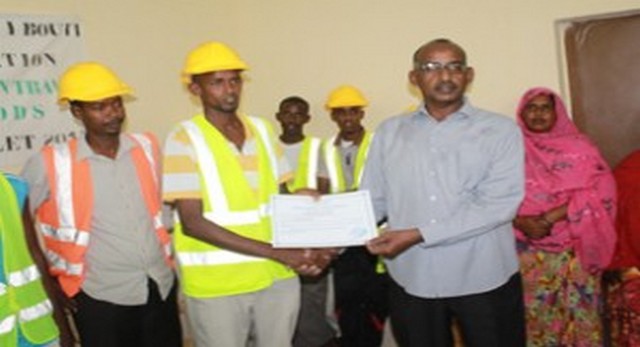
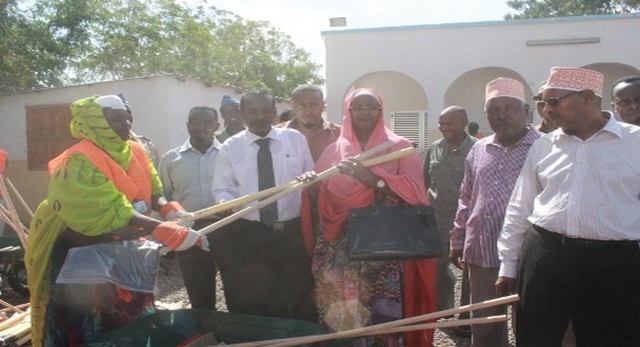
As in previous years, the ceremony also recognized individuals committed to the fight against poverty. The Community Management Committees (CGCs), a network of associations active throughout the country, received official accreditation granting them the status of partners of public administrations, along with a subsidy of 24 million Djiboutian francs.
Prime Minister Aboukader Kamil Mohamed, the President of the National Assembly, Dileita Mohamed Dileita, and all members of the government, including the Minister of Social Affairs and Solidarity, Ouloufa Ismail Abdo, accompanied by key officials from her department, attended the event.
A leading figure in the Djiboutian public landscape and a personality notoriously known for her constant commitment to fraternity and solidarity among all her compatriots, the First Lady and President of the National Union of Djiboutian Women (UNFD), Mrs. Kadra Mahamoud Haid, also participated in this ceremony.
Source: Official Facebook page of the Djiboutian Information Agency – ADI (#ADI)