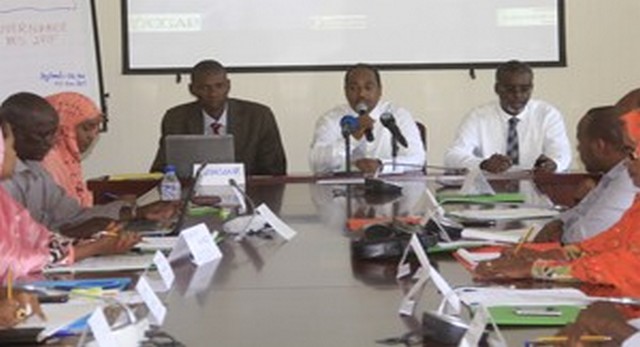
A long-standing partner of the Djiboutian government, the French Development Agency (AFD) has supported the country’s economic, social, and urban transformations for over half a century. In this interview, Mr. Eric de Guerpel, AFD Director in Djibouti, discusses the strategic directions, the lessons learned from fifty years of partnership, and the prospects for a cooperation that is set to strengthen in service of Djibouti’s urban and social development.
Djibouti is a dynamic city but faces many challenges. What is the AFD’s strategic approach?
Mr. Eric de Guerpel: Djibouti is a territory full of promise but subject to intense urban and climatic pressures. The city concentrates nearly 75% of the national population and is experiencing continuous growth. This dynamic offers economic opportunities but also necessitates addressing major challenges simultaneously: rapid expansion of informal settlements, unequal access to essential services, and vulnerability to climate hazards. For over fifty years, the French Development Agency (AFD) has been supporting the government and local authorities in building a more inclusive, resilient, and sustainable city. Our approach goes beyond purely infrastructural aspects: we systematically integrate social, economic, and environmental dimensions, in accordance with the Sustainable Development Goals (SDGs) and the international agenda of French cooperation.
How does this translate concretely on the ground, particularly for PDUI2?
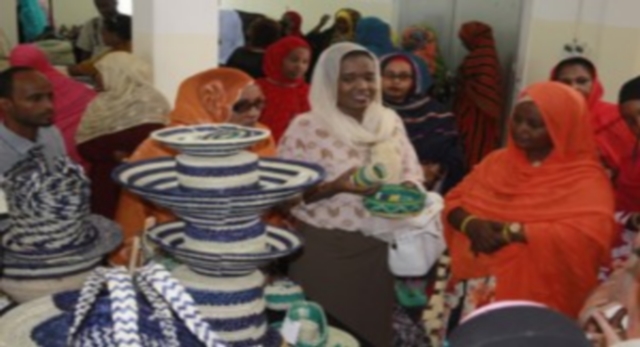
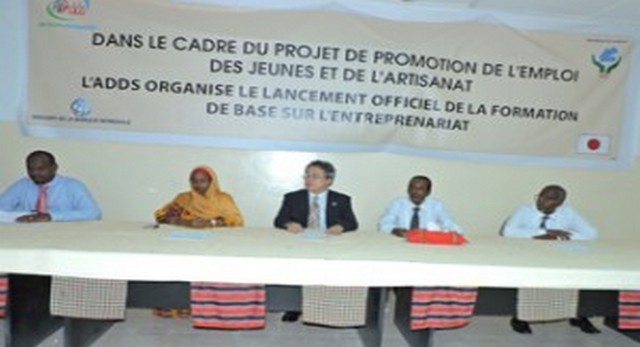
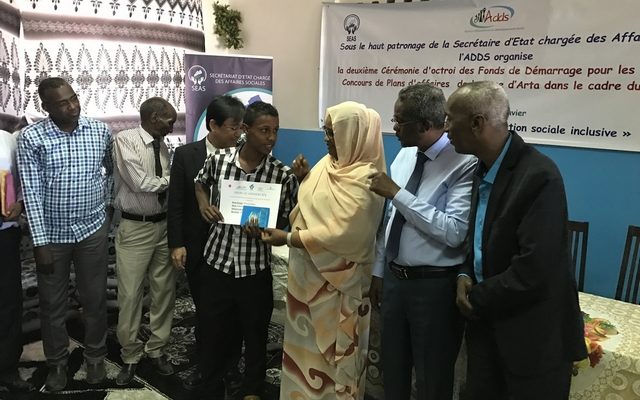
The PDUI2 perfectly illustrates our integrated vision. In Layabley and Moustiquaire, we are working collaboratively with the local communities and Djiboutian authorities, including the Ministry of Urban Development and Housing, the Ministry of Culture, and the Ministry of Social Affairs, under the leadership of Ms. Ouloufa Ismail Abdo, through the Djiboutian Agency for Social Development (ADDS), whose role is central to the implementation and monitoring of urban projects. Our interventions also strengthen climate resilience: infrastructure adapted to drought and flooding, green public spaces, and bioclimatic buildings. These initiatives contribute to social inclusion, citizen participation, and the quality of life for residents.
How does the AFD coordinate all of its projects in Djibouti?
Our portfolio currently includes more than 25 projects. Overall coordination is ensured with the Ministry of Economy, Finance and Industry (MEFI) via the Directorate of External Financing (DFE), to guarantee consistency, synergies and alignment with the National Development Plan.
We also coordinate, in close collaboration with sectoral ministries, with other technical and financial partners, particularly on urban planning, water and sanitation issues, as well as on public finance reform, always under the supervision of the MEFI.
What lessons have you learned from these fifty years of partnership?
Urban development must be integrated and sustainable: it is not enough to build infrastructure; it is also essential to ensure its maintenance, strengthen community participation, and include residents from the design stage. Adapting to climate change and building community resilience are central to our priorities. It has also become clear that decentralization and regional development are essential, as demonstrated by our initiatives for Integrated Rural Schools and the ADIL project. Finally, our partnership illustrates how France, through the AFD, makes a concrete contribution to the SDGs by placing residents and local authorities at the heart of all projects.
What is the vision for the future?
In this challenging period for international solidarity, the French Development Agency (AFD) will continue to support the Djiboutian authorities in building a city where economic growth, social inclusion, and climate resilience advance together. Phase 3 of the Urban Development Project (PDUI) is already underway and includes new commercial facilities, the construction of a gendarmerie brigade specializing in gender-based and child-related violence, as well as the continuation of training and social cohesion initiatives.
“It is in this integrated approach – where urban, social and economic factors advance together – that the full depth of our partnership with Djibouti is revealed. Building the city of tomorrow means, above all, enabling everyone to take ownership of their neighborhood, to find their place and to participate fully in the life of the city.”